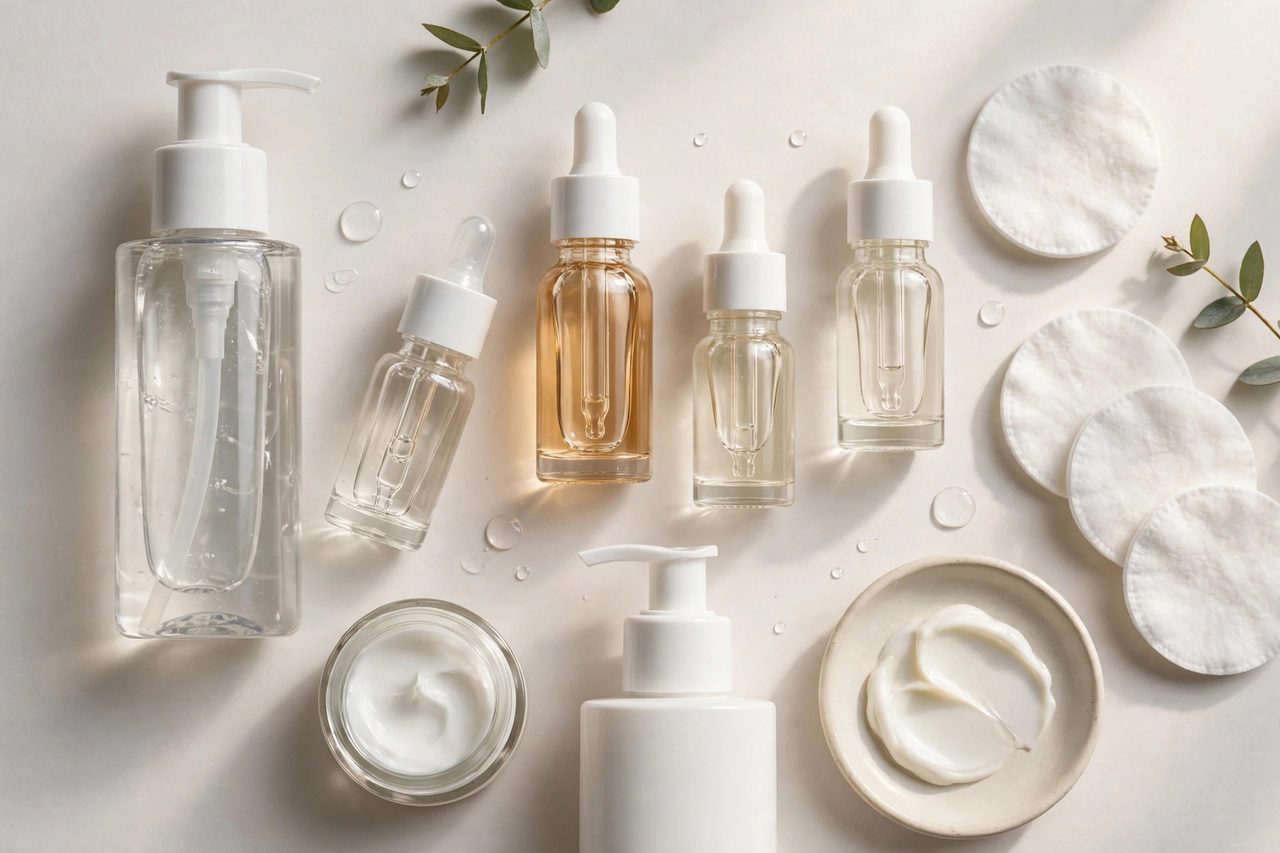
Vitamin C is the brightness superstar — it fades dark spots, boosts glow, and defends against pollution damage. But it's a finicky ingredient: the wrong formula oxidizes into expensive orange water. Here's how to pick a good one.
What to look for
- Form: L-ascorbic acid is the most proven, but unstable. Vitamin C derivatives (SAP, MAP, ethylated) are gentler and more stable — better for sensitive skin.
- Concentration: 10–20% for L-ascorbic acid; derivatives work at lower percentages.
- Packaging: opaque, air-tight pump or dropper bottle. Clear bottles = oxidized serum.
- pH: L-ascorbic acid needs low pH (~3.5) to penetrate — which is also why it can sting.
The picks
1. Best overall
A 15% vitamin C serum with vitamin E and ferulic acid — this trio is the gold standard combination (the ferulic acid doubles the antioxidant power). The benchmark all others are measured against.
2. Best budget
You don't need to spend $100. A affordable vitamin C serum under $25 with MAP or SAP derivative gives visible brightness for a fraction of the price.
3. Best for sensitive skin
If L-ascorbic acid stings you, switch to a gentle vitamin C derivative serum. Slower results, zero burn.
4. Best for dark spots
For stubborn hyperpigmentation, pair vitamin C with niacinamide — but not in the same routine. Vitamin C in the morning, niacinamide serum at night.
5. Best drugstore
The classic drugstore vitamin C options have quietly gotten excellent — stable packaging, effective concentrations, under $20.
6. Best luxury
If budget isn't the constraint, premium vitamin C serums with patented delivery systems do absorb better — you're paying for formulation science, not just marketing.
7. Best for dull winter skin
Winter dullness is vitamin C's home turf. A brightening vitamin C serum used every morning through the dark months keeps skin luminous when the sun disappears.
8. Best powder form
Vitamin C powder mixed into your moisturizer stays potent forever (no oxidation in the bottle) — the hack for people whose serums keep turning orange.
9. Best for beginners
New to actives? Start with a low-concentration vitamin C serum at 10% — enough to see results, gentle enough to use daily from week one.
10. Best with sunscreen synergy
Vitamin C + sunscreen is the ultimate daytime duo — vitamin C neutralizes the free radicals sunscreen misses. Layer your vitamin C serum under SPF 50 every morning.
How to use it correctly
| Rule | Why |
|---|---|
| Morning application | Antioxidant protection works best against daytime damage |
| On clean, dry skin | Water can destabilize L-ascorbic acid |
| Before moisturizer | Thinnest to thickest, always |
| Then sunscreen | Non-negotiable — vitamin C isn't sun protection |
Signs your serum has gone bad
Vitamin C oxidizes — and oxidized vitamin C is useless (possibly irritating):
- Color: clear/pale straw is good; dark orange or brown = throw it out
- Smell: a hot, metallic smell means it's turned
- Timeline: most serums last ~3 months after opening
Storage tip: cool, dark place. The fridge extends life significantly.
How we choose
We only recommend serums in protective packaging (vitamin C is useless if it oxidizes on the shelf), with disclosed concentrations and forms — no mystery "proprietary brightening blends." Stability and transparency beat marketing every time.