Every late October, two celebrations fill feeds with skeletons, candles, and face paint — and most people outside Mexico mix them up. Halloween on October 31 and Día de los Muertos (Day of the Dead) on November 1–2 are not the same thing, not a Mexican version of the other, and not interchangeable. They have different origins, different moods, and completely different relationships with death itself.
Here's the honest breakdown — so you can appreciate each one for what it actually is.
The short answer
Halloween is a secular, mostly commercial holiday about spookiness: costumes, trick-or-treating, horror movies, haunted houses. Day of the Dead is a deeply meaningful Mexican tradition — a joyful, family-centered celebration honoring loved ones who have died, with roots in Indigenous Mesoamerican rituals and Catholic feast days. One plays with fear. The other sits down with memory.
Where each one comes from
Halloween: Celtic roots, American reinvention
Halloween traces back to the ancient Celtic festival of Samhain, marking the end of harvest season, when the boundary between the living and the dead was believed to thin. Irish immigrants brought the customs to America in the 1800s, and the modern version — trick-or-treating, costumes, pumpkin carving — was largely shaped in the United States in the 20th century. Today it's one of the most commercialized holidays in the US, with billions spent on candy, decorations, and costumes every year.
Day of the Dead: Indigenous ritual meets Catholic feast
Día de los Muertos goes back thousands of years to Aztec and other Mesoamerican traditions honoring the dead, especially the goddess Mictecacíhuatl, lady of the underworld. After Spanish colonization, these rituals merged with the Catholic observances of All Saints' Day (Nov 1) and All Souls' Day (Nov 2). In 2008, UNESCO recognized the Indigenous festivity dedicated to the dead as Intangible Cultural Heritage of Humanity. It's not an import or a variant — it's one of Mexico's oldest living traditions.
What happens during each
Halloween (October 31)
- Costumes: people dress as anything — monsters, celebrities, memes — the spookier or funnier, the better
- Trick-or-treating: kids go door to door collecting candy
- Haunted houses and horror: haunted attractions, scary movies, ghost stories
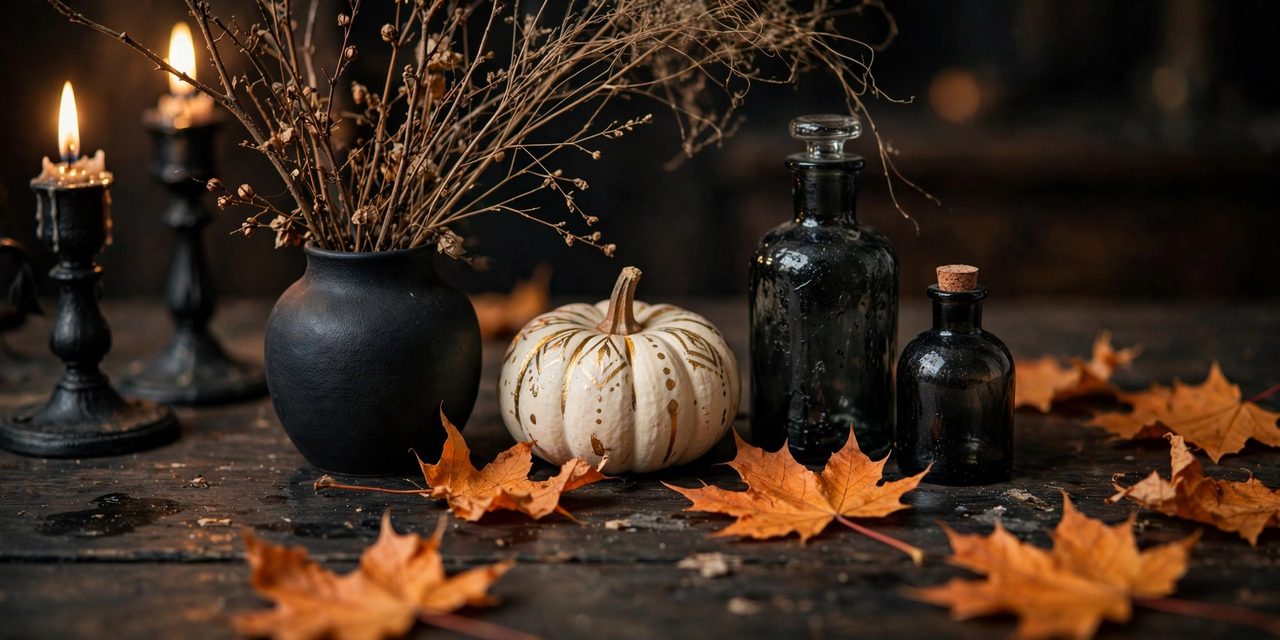
- Decor: jack-o'-lanterns, fake cobwebs, ghosts, witches, plastic skeletons — the aesthetic is fear and fun
- Mood: playful scare, mischief, adrenaline
Day of the Dead (November 1–2)
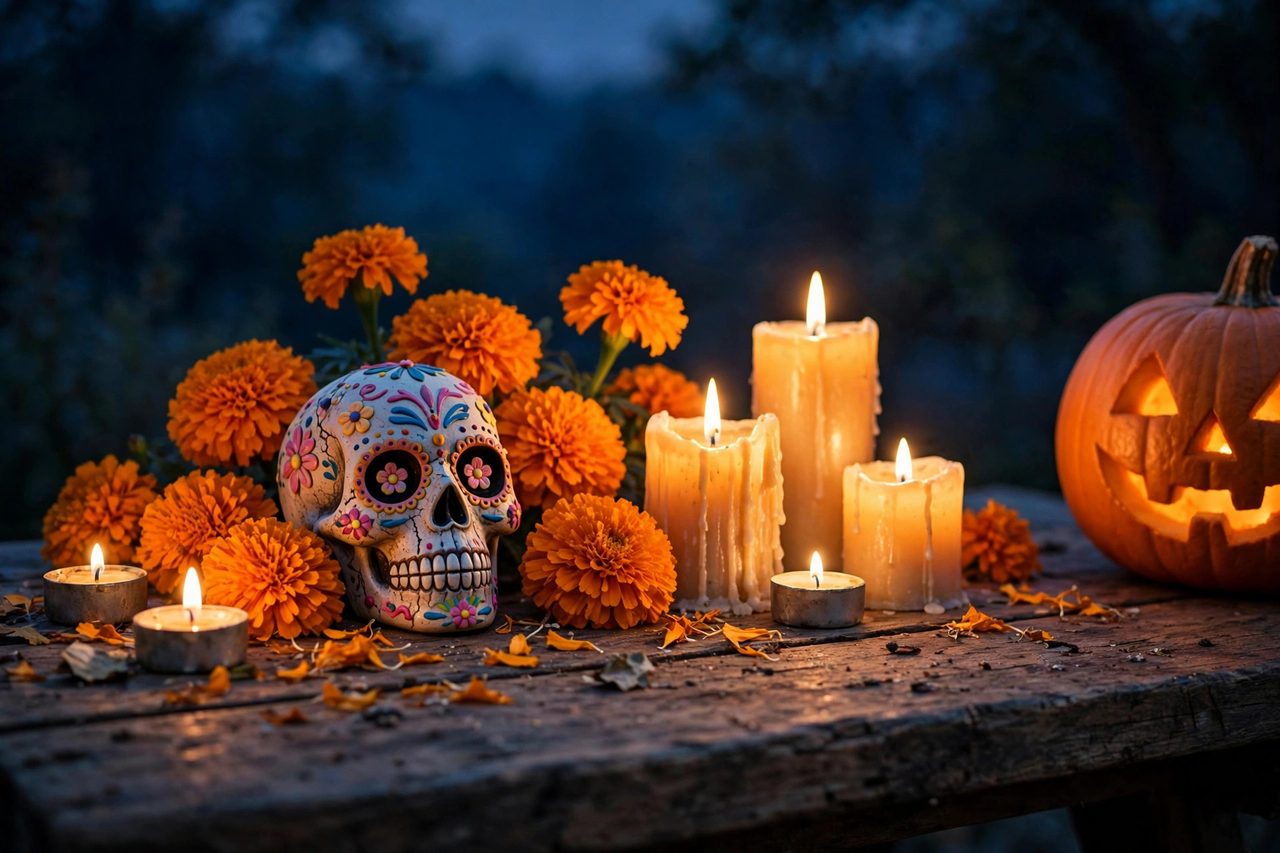
- Ofrendas (offerings/altars): families build elaborate altars at home and in cemeteries, decorated with photos of the deceased, their favorite foods and drinks, candles, marigold flowers (cempasúchil), and sugar skulls
- The belief: on these nights, the spirits of loved ones return to visit — the marigold petals are said to guide them home with scent and color
- November 1 traditionally honors deceased children (Día de los Angelitos); November 2 honors deceased adults
- Cemeteries come alive: families clean graves, decorate them with flowers and candles, and spend the night together — eating, telling stories, sometimes playing music
- Pan de muerto: a sweet bread baked for the occasion, often placed on the ofrenda
- Mood: warm, celebratory, bittersweet — grief and joy at the same table
The comparison at a glance
| Halloween | Day of the Dead | |
|---|---|---|
| Dates | October 31 | November 1–2 |
| Origin | Celtic Samhain, shaped in the US | Indigenous Mesoamerican + Catholic tradition |
| Relationship with death | Fear and play — death is spooky | Love and memory — death is part of life |
| Core activity | Costumes, trick-or-treating, horror | Ofrendas, cemetery visits, family gatherings |
| Key symbols | Pumpkins, ghosts, witches, bats | Marigolds, sugar skulls, candles, photos |
| Central emotion | Thrill, mischief | Remembrance, gratitude, warmth |
| Religious connection | Mostly secular today | Syncretic: Indigenous ritual + Catholic feast days |
| Where it's biggest | United States, Canada, UK, Ireland | Mexico, and Mexican communities worldwide |
Why "Mexican Halloween" is wrong
This phrase comes up a lot, and it's worth addressing directly. Halloween and Day of the Dead sit close together on the calendar and both use skeleton imagery, so the confusion is understandable — but calling Día de los Muertos "Mexican Halloween" does two things wrong:
1. It makes it sound derivative, like Mexico copied Halloween. In reality, the ofrenda tradition predates Halloween's modern form by centuries.
2. It misses the meaning. Halloween's skeletons are meant to scare. Day of the Dead's calaveras (sugar skulls) and La Catrina imagery are meant to celebrate — to laugh gently at death and refuse to fear it. Same symbol, opposite purpose.
Many Mexican families feel strongly about this distinction. If you're sharing or writing about it, the respectful framing is "Day of the Dead is a Mexican tradition honoring the dead" — full stop.
Can you celebrate Day of the Dead if you're not Mexican?
Yes — respectfully, and with understanding. Enjoying pan de muerto, learning about ofrendas, or painting your face in calavera style for November 1–2 isn't off-limits. What crosses the line:
- Treating the imagery as just another Halloween costume without knowing what it represents
- Wearing calavera face paint on October 31 as a "sexy skeleton" costume while calling it Day of the Dead
- Profitting off the aesthetics while stripping out the meaning
The guide rule most people share: appreciate it, learn about it, honor the dead in your own way — but don't reduce someone's sacred family tradition to a party theme.
How we choose
We cover cultural topics by getting the basics right first: dates, origins, and what the celebration actually means to the people who observe it. For this piece we cross-checked the history — Samhain's Celtic roots, the Mesoamerican and Catholic origins of Día de los Muertos, and UNESCO's recognition — rather than repeating the social-media shorthand that flattens both holidays. No affiliate content, no filler: just the facts that keep you from embarrassing yourself at the dinner table.