Your first year of college is usually the first time you are fully in charge of your own money. Nobody is checking whether you bought lunch or a textbook, whether the refund from your financial aid is still sitting there in week six, or whether that "free" trial you signed up for is quietly charging you every month. That freedom is great — until the money runs out three weeks before the semester ends.
The good news: the money mistakes first-year students make are remarkably predictable. Almost every broke student story comes down to a handful of patterns, and once you can spot them, they are easy to dodge. Here are the 12 most common ones, why each one hurts, and what to do instead.
1. Not having any budget at all
This is the mistake behind most of the others. Without a simple plan for your money, you spend until the account says stop — and the account always says stop at the worst moment.
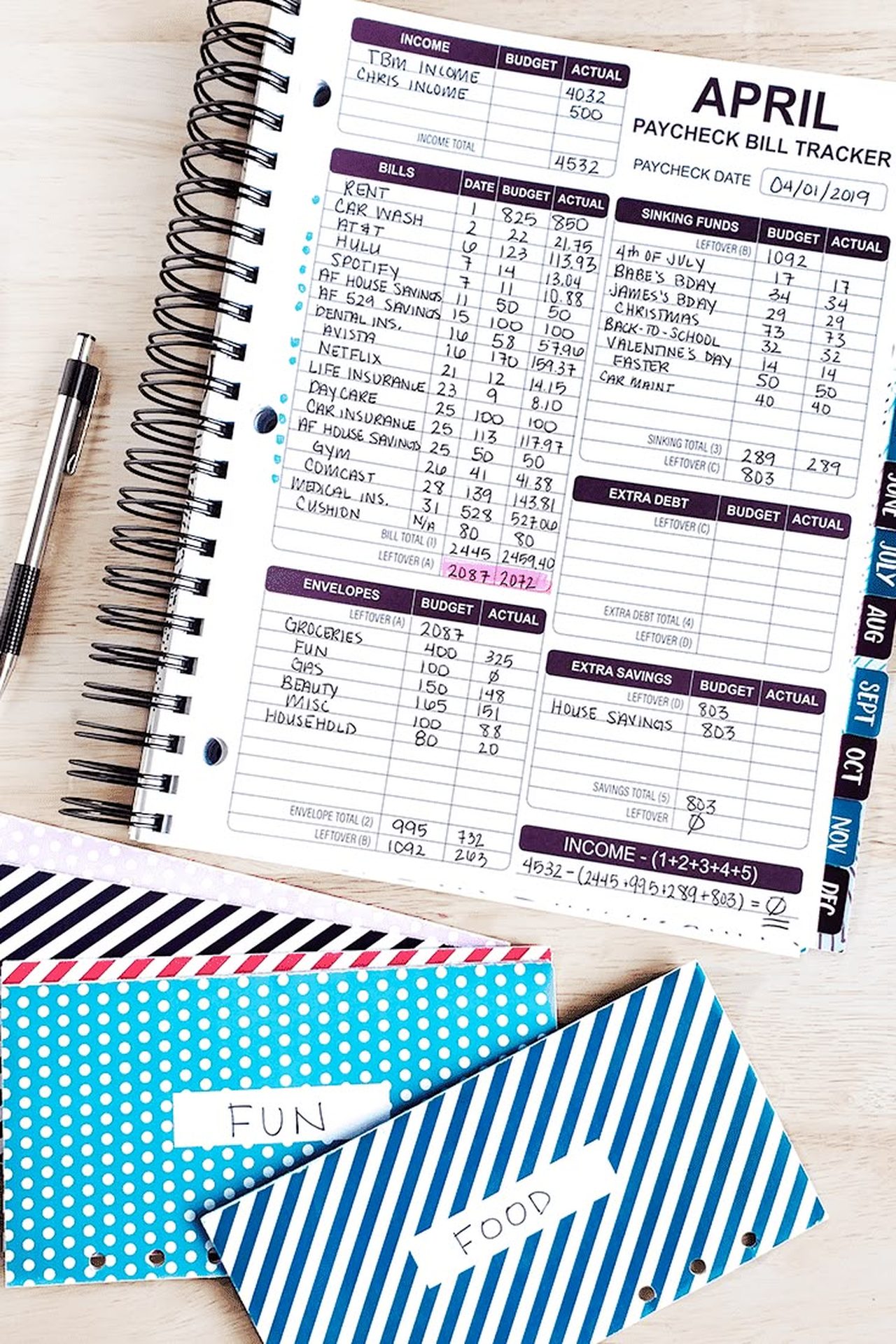
The fix: You do not need a spreadsheet masterpiece. Write down what comes in each month (job pay, allowance, financial aid refund) and what has to go out (rent, food, transport, phone). Whatever is left is your spending money. A free budgeting app or even a notes app works fine. The point is knowing the number before you spend it, not after.
2. Treating a lump sum like a pay cheque
Financial aid refunds, a semester's worth of savings, or a big birthday gift can land in your account all at once. It feels like a lot of money — because it is, for about two weeks. Students who spend a lump sum as if it were monthly income are usually broke by mid-semester.
The fix: Divide any lump sum by the number of weeks it has to last. If $2,000 has to cover 15 weeks, that is about $133 a week, not $2,000 to spend. Some students move the money into a separate savings account and transfer themselves a weekly "pay cheque" — it sounds fussy, but it works.
3. Buying every textbook brand new
A new textbook can cost $150 to $300, and many students buy them all before the first lecture. Then they discover the professor barely uses the book, or that last year's edition is nearly identical.
The fix: Wait until after the first class before buying. Then check the library (many keep copies on reserve), rent from a textbook rental site, buy used from other students, or look for an older edition. The College Board's BigFuture site also has plain-English guides on keeping college costs down.
4. Eating out and ordering delivery every day
A $12 lunch does not feel like a money mistake. Twelve of them a week absolutely is one. Food delivery is the fastest way to burn through a student budget, because the fees and tips quietly double the cost of the meal.
The fix: Cook most meals, even badly. A few simple meals on rotation — pasta, rice and beans, eggs on toast, a slow-cooker stew — cost a fraction of takeaway. Save eating out for once or twice a week and treat it as the fun it is, not the default.
5. Signing up for subscriptions and forgetting them
Streaming services, music apps, cloud storage, a gym you visited twice, a "free trial" from September — subscriptions are designed to be easy to start and easy to forget. Three or four of them can quietly cost $40 or more a month.
The fix: Once a semester, scroll through your bank statement and list every recurring charge. Cancel anything you have not used in the last month. Share a family plan with roommates where the service allows it, and check whether your college already gives you free access — many do, for software, streaming, and news sites.
6. Using a credit card like free money
A credit card is not extra income — it is a short-term loan with a high price if you do not pay it back. Students who pay only the minimum each month can end up paying far more than the original purchase price over time, because interest keeps adding up.
The fix: If you have a card, use it only for things you could already afford to pay for in cash, and pay the full balance every month. If you cannot do that reliably, a debit card is the safer tool while you are learning. And never take a cash advance on a credit card — the fees and interest start immediately.
7. Not understanding your student loans
Many first-year students sign loan paperwork without knowing how much they borrowed, what the interest rate is, or when repayment starts. That is understandable — the forms are dense — but not knowing does not make the loan go away.
The fix: Keep a simple record: lender, amount borrowed, interest rate, and when repayment begins. The US Department of Education's studentaid.gov site lets borrowers see their federal loan details in one place. Knowing the numbers now means no nasty surprises later. (This is general information, not advice about how much to borrow — that is a decision for you and your family.)
8. Skipping scholarships and free money
Scholarships are not only for top-of-the-class students. There are scholarships for particular majors, hometowns, hobbies, employers, and community service — and many go unclaimed each year simply because nobody applied.
The fix: Set aside an hour a week to apply. Your college's financial aid office usually keeps a list, and free scholarship search sites can match you with ones you qualify for. Even a $500 scholarship covers textbooks for a semester. Apply for small ones too — fewer people bother, so your odds are better.
9. Ignoring student discounts
Student discounts exist for software, streaming, transport, clothes, food, and travel — but only if you ask. Students who never check leave real money on the table every single month.
The fix: Before you pay full price for anything, search for a student discount or show your student ID. Keep a list of the discounts you actually use so you remember them. (Our ultimate list of student discounts covers the ones most first-years miss.)
10. Letting friends set your spending
College is social, and social life costs money: dinners out, concerts, weekend trips, matching outfits for a photo. Saying yes to everything because everyone else is going is one of the fastest ways to drain a budget — and most of your friends are quietly worried about money too.
The fix: Be honest about it. Suggest free or cheap plans sometimes — a movie night in the dorm, a potluck, a hike, a campus event. Real friends will not judge you for it, and you will probably find half the group is relieved someone said it first.
11. Having no emergency cushion at all
A broken laptop, a flat tyre, a surprise medical bill — small emergencies happen, and without even a small cushion they land straight on a credit card or force you to skip meals. Students often think an emergency fund is something for "later in life". It is not; it is for exactly this stage.
The fix: Aim for a starter cushion of $300 to $500, built a little at a time — $10 or $20 from each pay cheque or refund. Keep it in a separate savings account so you are not tempted to spend it on pizza. It will not cover everything, but it turns a crisis into an inconvenience.
12. Not working at all — or working too much
Two opposite mistakes, same result. Students who never work miss out on income and experience, and often borrow more than they need. Students who work 30 hours a week on top of a full course load often see their grades — and their scholarships — suffer.
The fix: Look for the middle ground. A part-time campus job, 8 to 15 hours a week, usually fits around classes and often comes with flexible hours during exams. On-campus jobs also save on transport. If you need more hours, talk to your academic adviser before taking them on — losing a scholarship costs far more than a few extra shifts pay.
The mistakes at a glance
| Mistake | What it costs you | The simple fix |
|---|---|---|
| No budget | Money runs out mid-semester | Track income vs. spending monthly |
| Treating a lump sum as income | Broke by week six | Divide it by the weeks it must last |
| New textbooks | $150–$300 per book | Rent, buy used, or check the library |
| Eating out daily | Hundreds a month | Cook most meals, eat out once or twice a week |
| Forgotten subscriptions | $40+ a month, unnoticed | Audit recurring charges each semester |
| Credit card as free money | Interest on top of every purchase | Pay the full balance monthly, or use debit |
| Ignoring loan details | Surprises after graduation | Record lender, amount, rate, repayment date |
| Skipping scholarships | Free money left unclaimed | Apply an hour a week, including small ones |
| Missing student discounts | Full price on everything | Ask for a student discount before paying |
| Copying friends' spending | Lifestyle you cannot afford | Suggest cheap plans; be honest about money |
| No emergency cushion | Small crisis becomes debt | Build $300–$500, $10–$20 at a time |
| No job, or too much work | Lost income — or lost grades | 8–15 hours a week, ideally on campus |
Your first-year money reset
If you recognise yourself in several of these, do not panic — that is normal, and first year is exactly when these lessons are cheapest to learn. Pick the three mistakes that cost you the most right now and fix just those this month: set up a basic budget, audit your subscriptions, and put $20 into a separate savings account. Small, boring habits beat dramatic money overhauls every time.
And remember the bigger picture: the goal of first year is not to become rich. It is to get through the year without the kind of money stress that wrecks your sleep, your grades, and your friendships. A simple budget, a small cushion, and the habit of checking prices before you pay will do more for your college experience than any budgeting app ever will.